

Embedded medical device software plays a transformative role in modern healthcare, driving innovation and improving patient outcomes. This specialized software is integral to the functionality of a wide range of medical devices, from diagnostic tools such as MRI machines to life-saving equipment like pacemakers. As healthcare continues to evolve with advancements in technology, the importance of embedded software cannot be overstated.
Core Functions of Embedded Medical Device Software
- Data Acquisition and Processing: Collecting vital health data from patients (e.g., heart rate, blood pressure) and processing it for real-time analysis.
- System Control: Managing hardware components within the device to ensure proper functionality, such as controlling insulin delivery in infusion pumps.
- User Interfaces: Providing healthcare professionals with intuitive interfaces for configuring and monitoring device performance.
- Diagnostics and Monitoring: Enabling continuous monitoring of patient conditions, detecting anomalies, and triggering alerts when necessary.
Benefits in Modern Healthcare
- Improved Accuracy: Advanced algorithms reduce the chances of errors in diagnostics and treatment, ensuring better patient care.
- Automation: Automated processes streamline clinical workflows, increasing operational efficiency while reducing manual intervention.
- Personalization: Devices can be tailored to individual patient needs through programmable settings or machine learning capabilities.
- Remote Monitoring: Embedded systems support remote health monitoring via IoT-enabled devices, allowing timely intervention without hospital visits.
Challenges in Development
| Challenge | Description |
| Regulatory Compliance | Meeting strict standards like FDA regulations or ISO 13485 requirements. |
| Safety Concerns | Ensuring that software failures do not result in harm to patients or users. |
| Cybersecurity Risks | Protecting sensitive health data from potential breaches or attacks. |
| Hardware Constraints | Designing lightweight yet efficient code optimized for limited resources. |
Developers must adopt robust methodologies that address these challenges effectively while adhering to industry standards.
The Future of Embedded Medical Software
- Enhanced integration with electronic health records (EHRs) for seamless data sharing.
- Greater use of predictive analytics for proactive care.
- Wider adoption of cloud-based platforms for scalability.
- Increased emphasis on cybersecurity measures aligned with evolving regulatory guidelines.
The role of embedded medical device software is pivotal in enabling smarter, safer healthcare solutions that directly improve lives worldwide—making it an essential focus within both technological innovation and regulatory compliance frameworks today.
Comprehensive Medical Device Software Development Services for Compliance and Reliability
Developing software for medical devices requires a meticulous approach to ensure reliability, safety, and compliance with stringent regulatory standards. As these devices directly impact patient health, the software must meet high-performance benchmarks while adhering to international regulations. Below are key practices for achieving reliable and compliance-ready medical device software development.
Navigating Regulatory Requirements with SaMD Services
To develop compliant software, understanding and integrating relevant regulations is essential:
– ISO 13485: Specifies quality management systems for medical devices.
– IEC 62304: Focuses on the life cycle processes of medical device software.
– FDA Guidelines: Covers requirements for premarket submissions, risk management, and validation under 21 CFR Part 11 or Part 820.
Early alignment with these frameworks ensures smoother approvals from regulatory bodies.
Enhancing Risk Management with MedTech Software Services
Risk management is integral to creating safe and reliable medical device software. A well-defined process includes:
1. Hazard Identification: Identifying potential failures that could compromise safety. 2. Risk Assessment: Categorizing risks based on their severity and probability. 3. Mitigation Strategies: Applying controls to reduce risks (e.g., error-checking mechanisms or redundant systems).
4. Continuous Monitoring: Assessing residual risks throughout the product lifecycle.
These steps align with ISO 14971 standards on risk management for medical devices.
Best Practices for Software Development
Adopting structured development methodologies helps ensure reliability while maintaining compliance with industry standards. Consider the following approaches:
– Requirement Traceability: Create a traceability matrix to map user needs to design outputs, testing protocols, and risk assessments. – Software Validation: Use robust validation processes to confirm that the software meets intended use requirements. – Version Control Systems (VCS): Employ VCS tools like Git to track changes systematically and maintain a clear audit trail.
By embedding these practices into workflows, teams can minimize errors while demonstrating due diligence during audits.
Lean Documentation Without Compromising Compliance
While comprehensive documentation is critical for regulatory purposes, adopting lean documentation principles can streamline this process without sacrificing quality or compliance: | Documentation Component | Purpose | Importance | |————————–|———|————| | Software Requirements Specification (SRS) | Defines functional/non-functional requirements | Ensures alignment with user needs | | Risk Management File (RMF) | Tracks identified hazards and mitigations | Demonstrates safety consideration | | Verification & Validation Reports | Summarizes testing outcomes | Confirms functionality matches design |
Efficiently maintained documentation improves clarity during audits while reducing unnecessary overhead.
Leveraging Modern Tools in Medical Device Development
The use of advanced tools further enhances reliability in development processes: – Automated testing frameworks that validate code accuracy in real-time. – Static code analysis tools like SonarQube or Coverity to identify vulnerabilities early. – Model-based design techniques that simulate scenarios before implementation.
These technologies reduce errors while improving overall efficiency, especially when paired with Agile methodologies tailored towards regulated industries.
Developers of medical device software must combine technical rigor with adherence to regulatory frameworks at every stage of development—from conception through post-market monitoring—to create products that are both innovative and safe for patient use.
Reliable and Compliance-Ready Medical Device Software Development Practices
Developing software for medical devices requires a robust approach that prioritizes both reliability and adherence to stringent compliance regulations. In modern healthcare, software is integral to ensuring patient safety, effective treatment, and operational efficiency. Below are key strategies and practices that ensure medical device software meets reliability standards while remaining compliant with regulatory frameworks.
Key Characteristics of Reliable Medical Device Software
- Accuracy: The software must process data precisely to produce reliable outcomes.
- Fault Tolerance: Mechanisms should be in place to handle errors without compromising performance or safety.
- Consistency: Results generated by the software need to be repeatable across multiple scenarios.
- Durability: The system should perform effectively over prolonged periods without degradation.
Regulatory Compliance Frameworks
- Focuses on quality management systems for designing and manufacturing medical devices.
- Ensures traceability, risk management, and continuous improvement in development practices.
- Establishes Quality System Regulations (QSR) for medical devices marketed in the U.S.
- Enforces guidelines for design control, production processes, and post-market surveillance.
- Defines the lifecycle processes needed for safe design and maintenance of medical device software.
- Categorizes devices into safety classes (A, B, C) based on their potential risk impact.

Essential Practices for Reliable Medical Device Software Development
- Tracks system requirements throughout the development lifecycle.
- Helps ensure all user needs are met while aligning with regulatory requirements.
- Mitigate risks using tools like Failure Mode Effects Analysis (FMEA).
- Identify potential hazards early in the design process.
- Conduct rigorous testing to confirm that the product meets specified requirements.
- Validation ensures it fulfills intended use; verification checks technical accuracy.
- Maintain detailed records of design decisions, testing results, updates, and bug fixes.
- Facilitates audits by regulatory bodies like FDA or notified bodies under MDR/IVDR.
Tools Supporting Reliable Medical Device Software Development
| Tool/Framework | Purpose | Example |
| Application Lifecycle Management (ALM) | Tracks project progress from concept to delivery | Codebeamer ALM |
| Static Analysis Tools | Detects vulnerabilities or inefficiencies in code | SonarQube |
| Automated Test Suites | Ensures consistent testing workflows across builds | Selenium |
By leveraging these tools alongside defined processes outlined above, developers can ensure that medical device software maintains high-quality standards while adhering to compliance regulations.
Reliable and compliance-ready development involves balancing innovation with stringent adherence to global regulations. Following best practices not only reduces risks but also empowers organizations to deliver safer medical devices tailored for modern healthcare needs.
How to Perform Failure Mode and Effect Analysis (FMEA) for Medical Device Software
Failure Mode and Effect Analysis (FMEA) is a systematic, proactive approach to identifying potential failure points within a system, design, or process. When applied to medical device software development, FMEA can help ensure safety, reliability, and compliance with regulatory standards. Below is a step-by-step guide to performing FMEA for medical device software effectively.
Understanding the Importance of FMEA in Medical Device Software
- Identifying areas where the software might fail and assessing the impact of those failures.
- Prioritizing risks based on their severity and likelihood.
- Offering actionable insights for mitigating risks early in the development lifecycle.
Regulatory frameworks such as ISO 14971 (risk management for medical devices) emphasize risk evaluation through methods like FMEA, making it an essential practice.
Key Steps to Perform FMEA for Medical Device Software
- Define Scope and Objectives
Begin by clearly identifying the system or software components that will undergo analysis. Specify the objectives of your FMEA process: - What potential failures are you looking to uncover?
- Which risks might affect patient safety or device performance?
- Assemble a Cross-Functional Team
Include professionals from various disciplines such as: - Software engineers
- Quality assurance specialists
- Risk managers
- Clinical experts
A diverse team ensures comprehensive identification of failure modes.
- Break Down the System into Processes or Components
Decompose your medical device software into smaller modules or processes that are easier to analyze. For instance:
| Component/Process | Description |
| Data Input Module | Handles user data entry |
| Signal Processing Algorithm | Analyzes sensor data |
| Alert System | Sends notifications or alarms |
- Identify Potential Failure Modes
For each component or process identified, determine how it could fail. Examples include: - Incorrect sensor data interpretation leading to false readings.
- Failure in transmitting critical alerts.
- Input validation errors allowing incorrect data entry.
Assign numerical values to each failure mode: – Severity (S): Impact on end-users if failure occurs (1 = negligible; 10 = catastrophic). – Occurrence (O): Likelihood of failure happening (1 = unlikely; 10 = frequent). – Detection (D): Likelihood of detecting the issue before causing harm (1 = certain detection; 10 = unlikely).
Use these values to calculate:
Risk Priority Number (RPN) = S × O × D
| Failure Mode | S | O | D | RPN |
| Incorrect sensor calibration | 8 | 5 | 7 | 280 |
| Data transmission delay | 6 | 4 | 6 | 144 |
Focus efforts on mitigating high-RPN items first. Create a plan for addressing these failures through design changes, testing strategies, or additional controls.
Mitigation Strategies for Common Software Failures
- Enhancing code quality with static analysis tools.
- Introducing automated testing pipelines targeting edge cases.
- Improving fault tolerance mechanisms through redundancy.
By applying these strategies iteratively during development cycles, teams can proactively reduce risk levels while maintaining compliance with standards like FDA’s guidance on risk-based approaches.
Continuous Monitoring and Updates
FMEA should be revisited throughout the product lifecycle as changes occur in design or regulations evolve over time. Document all identified risks and mitigations thoroughly as part of your Design History File (DHF), ensuring traceability during audits.
How to Perform Failure Mode and Effect Analysis (FMEA) for Medical Device Software
Failure Mode and Effect Analysis (FMEA) is a systematic approach that identifies potential failure modes in a system, assesses their impact, and prioritizes actions to mitigate risks. For medical device software, this process is especially critical due to the high stakes involved in patient safety, regulatory compliance, and operational reliability. Below is an in-depth look at how to effectively perform FMEA for medical device software.
Key Steps in Conducting FMEA for Medical Device Software
- Define the Scope
Begin by identifying the boundaries of your analysis. Determine which components of the software or system will be evaluated—whether it’s a specific module, subsystem, or the entire application. - Review all functional requirements, use cases, and workflows within the software.
- Evaluate where failures might occur at every stage of operation.
- Example failure modes include incorrect data processing, communication errors between modules, or unintended user interface behavior.
- Analyze Effects of Each Failure Mode
Assess how each potential failure could affect: - Patient outcomes (e.g., delayed diagnosis due to processing errors).
- System functionality (e.g., inability to connect with external monitoring devices).
- Regulatory compliance requirements.
- Determine Severity Ratings
Utilize a scoring system based on severity levels:
| Severity Level | Description |
| 1 | Minimal impact; no harm |
| 2 | Moderate risk; some impact on usability |
| 3 | Severe risk; critical to patient safety |
- Evaluate Likelihood and Detectability
Assign scores for: - The likelihood of occurrence (how often a failure might happen).
- The detectability of the issue before it impacts users.
- Calculate Risk Priority Number (RPN)
RPN = Severity × Likelihood × Detectability
Focus on failure modes with higher RPN scores as they represent greater risks requiring immediate action.
- Develop Mitigation Strategies
Plan specific corrective actions that aim to reduce severity or improve detectability: - Implement automated testing protocols for early defect detection.
- Establish redundant systems to counteract single points of failure.
- Enhance user training to minimize operational misuse.
Best Practices for FMEA in Medical Device Software
- Collaborate Across Teams: Involve cross-functional stakeholders such as developers, quality assurance teams, clinical experts, and regulatory specialists.
- Leverage Past Data: Use historical data from previous projects or similar devices to identify recurring risks.
- Iterate Continuously: Treat FMEA as an ongoing process rather than a one-time task since medical device software often undergoes updates post-launch.
- Document Thoroughly: Maintain detailed records of identified risks, analysis results, corrective actions taken, and effectiveness verification.
Benefits of Performing FMEA
- Organizations can proactively address potential hazards before they manifest as real-world issues.
- Regulatory compliance becomes more achievable with built-in risk management strategies aligning with standards like ISO 14971.
- Patient safety remains prioritized at every stage of product development and deployment.
Performing comprehensive FMEA not only ensures robust risk mitigation practices but also reinforces trust among users and regulators alike.
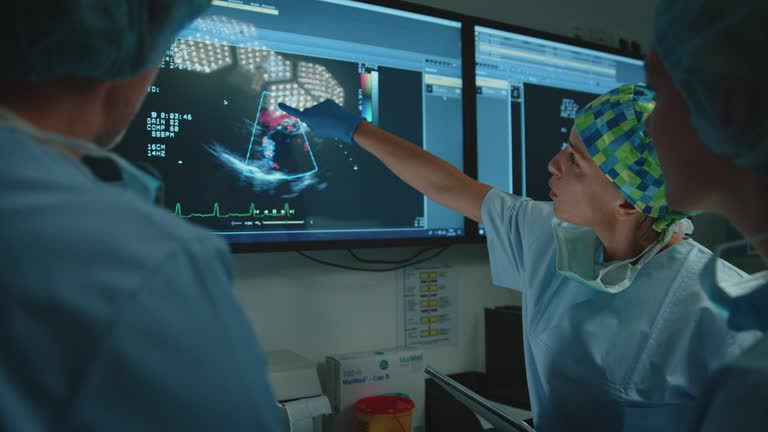
Enhancing Digital Health Services Through Automated Testing in Medical Device Software Development
Automated testing plays a pivotal role in ensuring the accuracy, reliability, and safety of medical device software. As the demand for innovative and connected medical devices grows, so does the need for robust testing methodologies that can keep pace with development timelines and stringent regulatory requirements. Automated testing not only accelerates the development process but also significantly reduces human error, ensuring that software meets the highest standards of quality and compliance.
Benefits of Automated Testing in Medical Device Software
- Improved Accuracy
Automated testing eliminates variability caused by manual testing processes. Predefined scripts are executed consistently, reducing the risk of human oversight when checking for software defects. - Automation enables continuous testing during development cycles, ensuring bugs are identified early on.
- Tests can be run repeatedly without additional effort, saving time during regression testing phases.
- Cost-Effectiveness
While the initial investment in automation tools may seem high, it leads to long-term savings by reducing labor costs and preventing costly product recalls due to defects. - Comprehensive tests can be executed across multiple configurations and scenarios simultaneously.
- Edge cases that may be overlooked during manual tests can be systematically included in automated test suites.
- Regulatory Compliance
The use of automated testing tools helps document test results more consistently, aiding compliance with FDA guidelines and ISO 13485 standards.
Types of Automated Tests for Medical Device Software
| Test Type | Purpose | Example |
| Unit Testing | Validates individual components or functions | Verifying algorithm performance for vital sign monitoring |
| Integration Testing | Ensures modules work together seamlessly | Testing communication between device sensors and processors |
| System Testing | Examines overall behavior of the device | End-to-end evaluation including software-hardware interaction |
| Regression Testing | Confirms new changes do not introduce unexpected issues | Re-running critical tests after a firmware update |
| Performance Testing | Evaluates system speed and responsiveness | Measuring data processing times under peak load conditions |
Best Practices for Implementing Automated Testing
- Define Clear Test Objectives: Establish what each test case aims to achieve based on functional requirements.
- Select Appropriate Tools: Choose tools compatible with your programming language, device type, and regulatory requirements.
- Develop Modular Test Cases: Break down larger test scenarios into smaller modules to simplify maintenance.
- Integrate Continuous Testing: Incorporate automated tests into your CI/CD pipeline to streamline updates and releases.
- Document Thoroughly: Maintain accurate records of all automated test cases and results to meet compliance audits.
Challenges in Medical Device Software Automation
- High Initial Setup Costs: Investment is required for purchasing tools and training teams on their use.
- Complex Test Environments: Simulating real-world conditions (e.g., patient interactions) may require advanced hardware-in-the-loop (HIL) setups.
- Regulatory Oversight: All automation processes must adhere strictly to regulations outlined by bodies such as the FDA or IEC 62304 standards.
By strategically addressing these challenges through careful planning and resource allocation, organizations can fully leverage automated testing as a cornerstone of their development process.
The integration of automated testing ensures that medical device software remains accurate and reliable while meeting increasingly rigorous demands from both regulators and end-users alike. It is an essential step toward delivering safe healthcare solutions in today’s technology-driven world.
The Growing Importance of Cybersecurity in Medical Device Software According to FDA Standards
As medical devices become increasingly interconnected and reliant on software, cybersecurity has emerged as a critical area of focus. The FDA has recognized the importance of safeguarding these devices to protect patient safety and privacy. With evolving threats, manufacturers must integrate robust cybersecurity measures into every stage of medical device software development.
Why Cybersecurity is Critical in Medical Device Software
- Patient harm: Interfering with device functionality could result in incorrect diagnoses or treatment delays.
- Data breaches: Sensitive patient information could be exposed or stolen.
- Operational disruptions: Attacks may cause devices to malfunction, impacting patient care delivery.
Given these risks, the FDA emphasizes the need for proactive cybersecurity practices throughout the product lifecycle.
FDA Guidance on Cybersecurity
- Risk Management Framework
Manufacturers should adopt a risk-based approach that identifies potential threats and mitigates them through design controls and testing. - Pre-Market Submission Requirements
Devices submitted for FDA approval must include documentation showing how cybersecurity risks have been addressed. This includes: - Threat models identifying vulnerabilities.
- Risk assessment reports outlining potential impacts.
- Descriptions of security controls implemented within the software.
- Post-Market Surveillance
Security doesn’t stop at launch; ongoing monitoring is essential to identify emerging threats. The FDA recommends implementing mechanisms for patch management and vulnerability reporting.
Best Practices for Medical Device Cybersecurity
- Secure Development Lifecycle (SDL): Incorporate security considerations early in design phases and continue throughout development.
- Encryption Standards: Protect sensitive data during transmission and storage using strong encryption protocols.
- Authentication Controls: Implement multi-factor authentication for user access to critical functions.
- Regular Penetration Testing: Identify weak points by simulating real-world attacks on the software.
- Software Updates & Patches: Enable secure over-the-air updates that address vulnerabilities promptly without compromising device usability.
Table: Common Vulnerabilities & Mitigation Strategies
| Vulnerability | Potential Risk | Mitigation Strategy |
| Weak password policies | Unauthorized access | Enforce strong password requirements |
| Lack of encryption protocols | Data interception | Use end-to-end encryption |
| Insufficient input validation | Exploitation via malware | Implement strict input validation rules |
| Outdated third-party libraries | Exposure through known vulnerabilities | Regularly update dependencies |
Conclusion
The growing importance of cybersecurity in medical device software cannot be overstated given its direct impact on patient safety and data integrity. By adhering to FDA guidance, employing robust security frameworks, and engaging in continuous risk assessment, organizations can ensure their products remain secure against ever-evolving threats while advancing healthcare technologies safely and effectively.
- The Growing Importance of Digital Health Services in Modern Medical Device Software Development
- How Vasmed Health Sciences Excels in Medical Device Software Development Services
- Exploring the Benefits of Connected Medical Device Services in Modern Healthcare
- Expert SaMD Services for Cutting-Edge Medical Device Software Development
- Connected Medical Device Services and Their Impact on Modern Healthcare
- A Complete Guide to Connected Medical Device Services and FDA Software as Medical Devices
- Innovative Digital Health Services and Medical Device Software Development Solutions
- Innovative Digital Health Services for Medical Device Design and Development